If you could send your high-school senior self a message about the MME engineering program, what would it say?
“If you came to the university, and we did not change you, you did not get your money’s worth.”
“There’s a limit on credits for a reason.”
“You should never build your life around the resume and that if you do work meaningful to you the resume will come.”
“There seemed to be this collective understanding that everyone was there to work and get things done.”
“The opportunities don’t just end at the University level. Collaborating and putting yourself out there in all sectors is the best way to see the full breadth of the field.”
“College (unlike our valued trade or conservatory colleagues) can be about discovering a whole life.”
“Slow down.”
“It’s going to be the hardest you’ve worked in your life.”
The ASME Code of Ethics
It turns out that professional, practicing engineers engaged in a similar process to help new engineers enter the field. This process of defining core rules is an essential feature of a profession. Given the significance of these rules, I always make seniors write each rule down in the hopes that the rules embed themselves in the backs of their brains to cue at some point in the future. Here’s a link to the ASME code of ethics.
The Order of the Engineer
I went back to this post at the end of the school year considering it’s use for The Order of the Engineer ceremony. For those unfamiliar, The Order of the Engineer is a ceremony where engineers entering the profession recite ‘The Obligation of an Engineer‘ after which they are given a steel ring that sits on the smallest finger of their writing hand. The purpose of the ring is to drag across the paper an engineer is signing, reminding them of their oath to the profession. The story behind creation of The Order of the Engineer ceremony and the ring itself is almost as interesting as the ceremony itself.
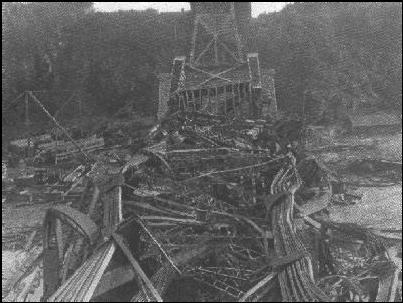
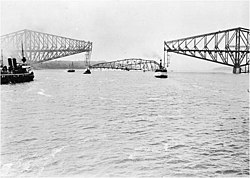
The 1907 disaster is on the left and the 1916 collapse is on the right.